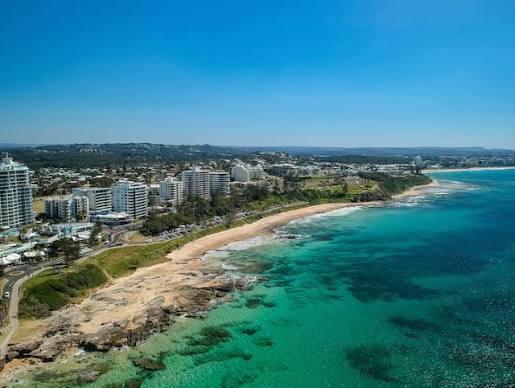

The Sunshine Coast is resilient to the cooling market in many states, as region’s infrastructure and lifestyle continue to attract new residents
The Sunshine Coast has retained its position as the nation’s top regional migration hotspot.
The latest figures from the Regional Movers Index show the Coast attracted 8.8 per cent of Australia’s total net internal migration over the 12 months to March 2026.
Queensland continues to dominate interstate migration overall, attracting more Aussies from other states than any other jurisdiction.
According to the REIQ, New South Wales remains the largest source of our interstate migrants, contributing around 60.3 per cent of the state’s net gain in 2024-25.
There are a number of key factors driving traffic to the region.
Access to international flights, good hospitals and great lifestyle is definitely a draw card and whilst infrastructure is struggling to keep up, there is progress being made.
REIQ CEO Antonia Mercorella said the sunshine state had proven to be an incredibly strong magnet all round.
“In 2025, Queensland gained 16,528 people from interstate migration, while New South Wales lost 21,465 people.
“The only other state with positive net interstate migration was Western Australia with 10,410, so Queensland comes out on top again.”
Elsewhere, the Fraser Coast ranked third nationally for regional migration, while Toowoomba and Townsville emerged among the fastest-growing destinations for capital city movers, recording annual growth in net capital-to-regional migration of 236.4 per cent and 159.7 per cent, respectively.
The migration trend comes as New South Wales recorded the worst housing affordability rates in Australia in 2024-25, according to PropTrack’s Housing Affordability Index, which takes into account incomes, mortgage rates and home prices.
Meanwhile Regional Queensland’s median dwelling value ($855,835) was higher than Regional NSW’s median value ($841,198) – with regional Queensland taking the lead since March 2026.
REIQ figures for the March 2026 quarter put the Sunshine Coast’s median house price at $1.29 million, up 3.2 per cent for the quarter, while the median unit price was $880,000, up 0.57 per cent.
The Sunshine Coast still does not have enough housing supply for the demand
The recent Australian Government Budget has had a negative effect on the housing market in any states, but the Sunshine Coast remains strong with more experienced Buyers taking advantage of a “quieter” market in terms of Buyer activity. Many Buyers however, are hesitant and waiting to see if the prices drop and of course are susceptible to what the media is saying about a downturn.
As for Queensland’s overall popularity within the market, Ms Mercorella said it brought with it a “certain responsibility”.
“If we want to keep attracting workers, families and investors, we need to make sure we’re building the homes, communities and infrastructure that support a growing population,” she said.